Nine domains. One creative community. WALK brings together people working across different parts of the creative sector in West Nile, Acholi, Lango and Karamoja.
Creative work takes many forms.
Someone may immediately identify as a musician, filmmaker or painter. For others, the connection may be less obvious. A software developer, photographer, blogger, event producer, talent manager, community museum or collecting society can also form part of the creative ecosystem represented by WALK.
WALK uses nine creative domains to organise this broad community across West Nile, Acholi, Lango and Karamoja so that eligible people within the four regions can more easily find the support available to them.
You do not need to fit every example listed below. The examples are there to help you understand the kind of work represented within each domain.
Jump to any domain to see the kind of work it represents.
Creating, producing and sharing sound.
The Music domain brings together people who create, perform and produce music across traditional, cultural and contemporary forms. It also includes the professionals who help bring recorded and live music to audiences.
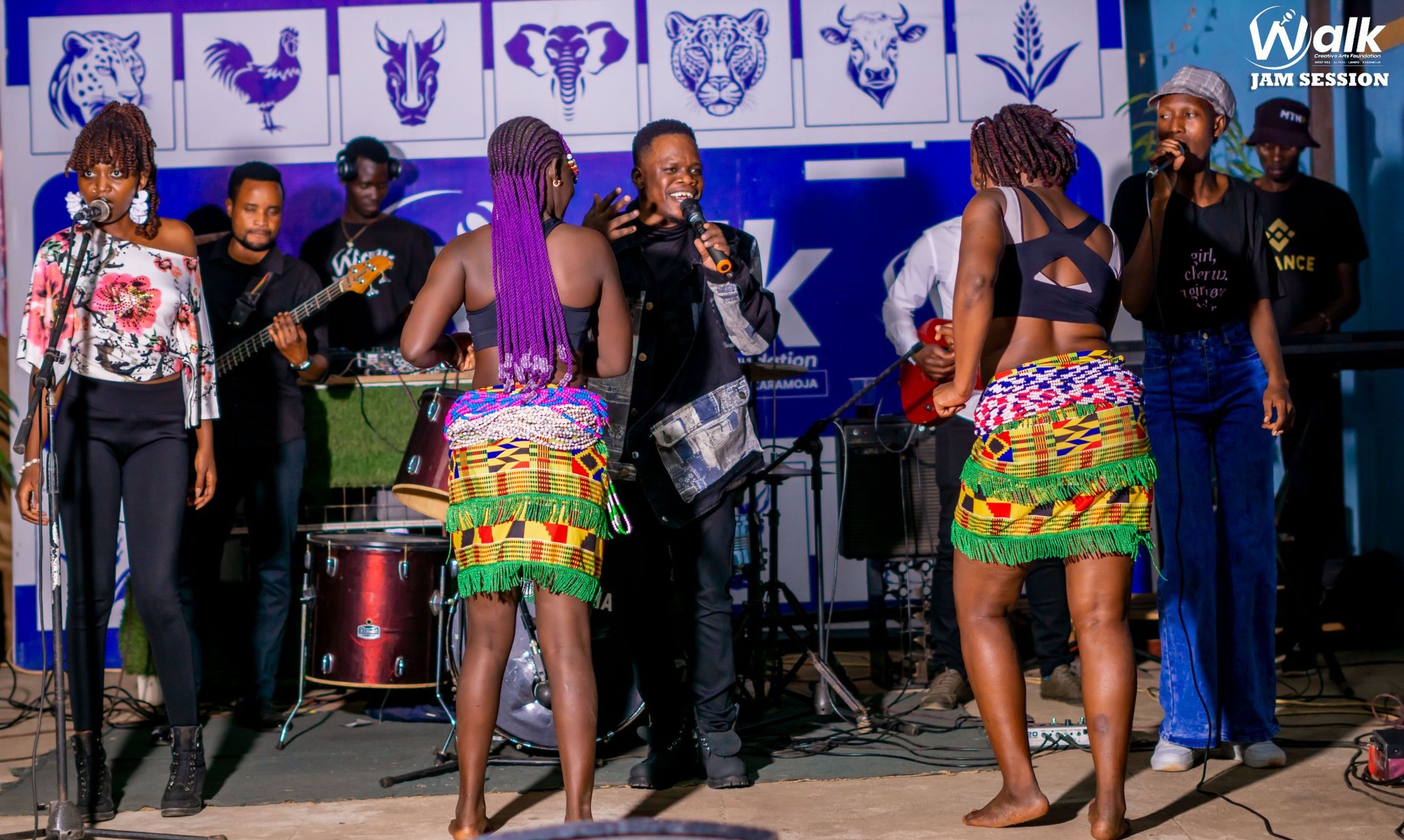
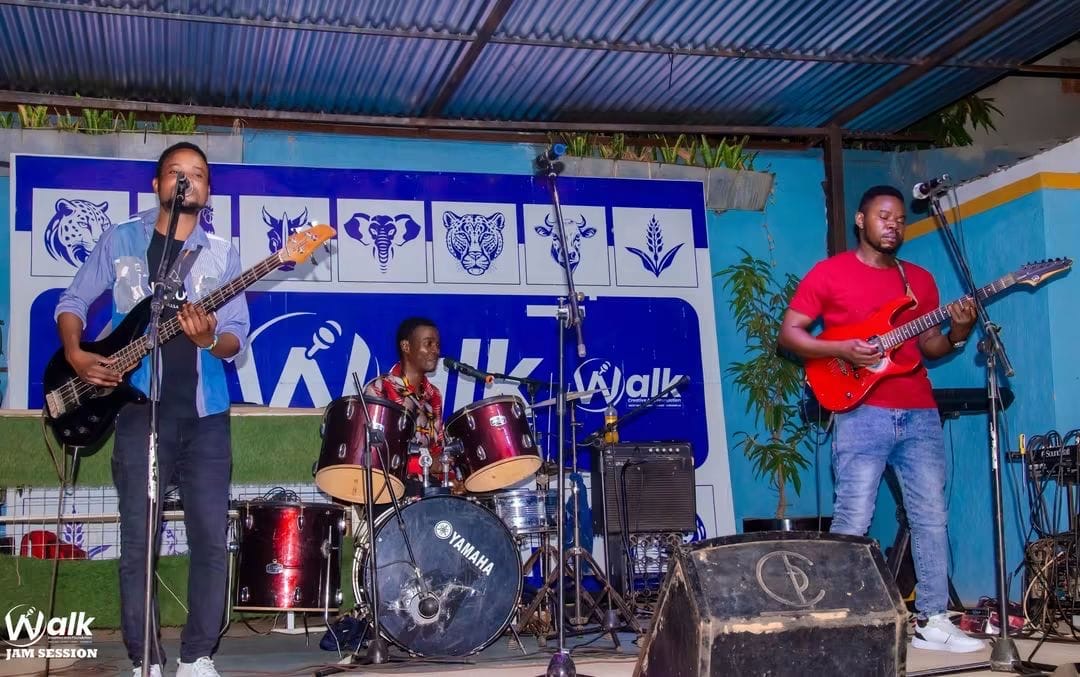
Creative expression brought to life before an audience.
Performing Arts brings together people who create and present work through live and produced performance, from theatre and comedy to dance, poetry and larger stage productions.
Stories told through moving images.
Film & Video brings together the creative and technical people involved in developing, producing and presenting visual stories across film, documentary, television and animation.
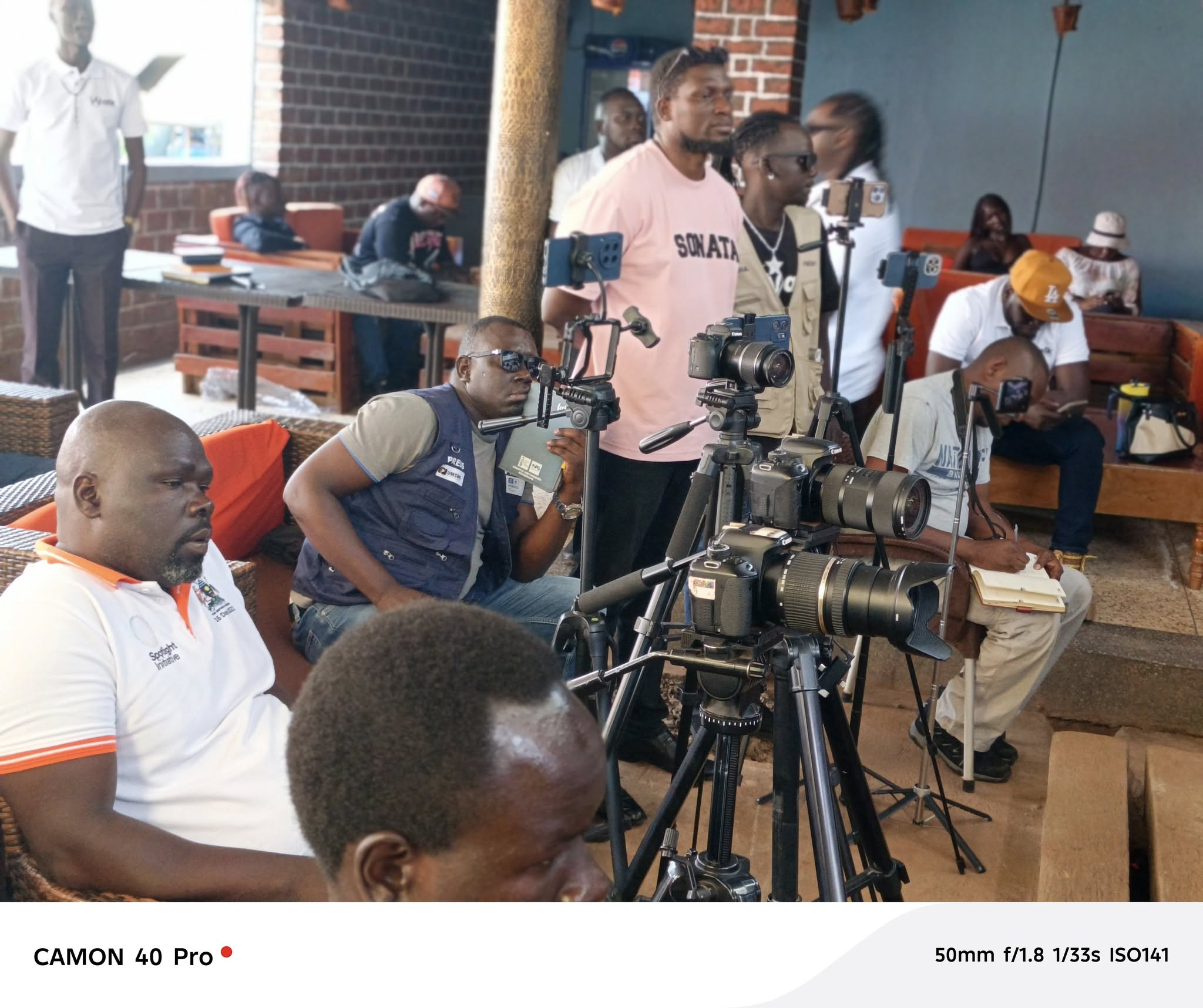
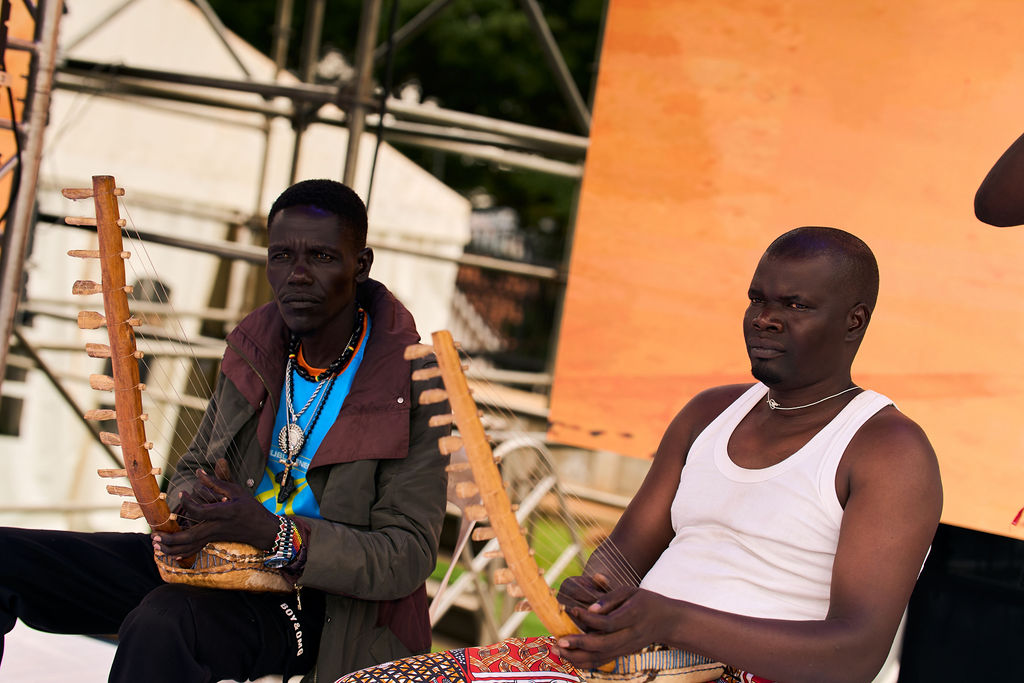
The people who help creative work reach an audience.
Creative work depends on people behind the scenes as much as those on stage or screen. Support Services covers professionals who organise talent, events, promotion and other parts of the creative value chain.
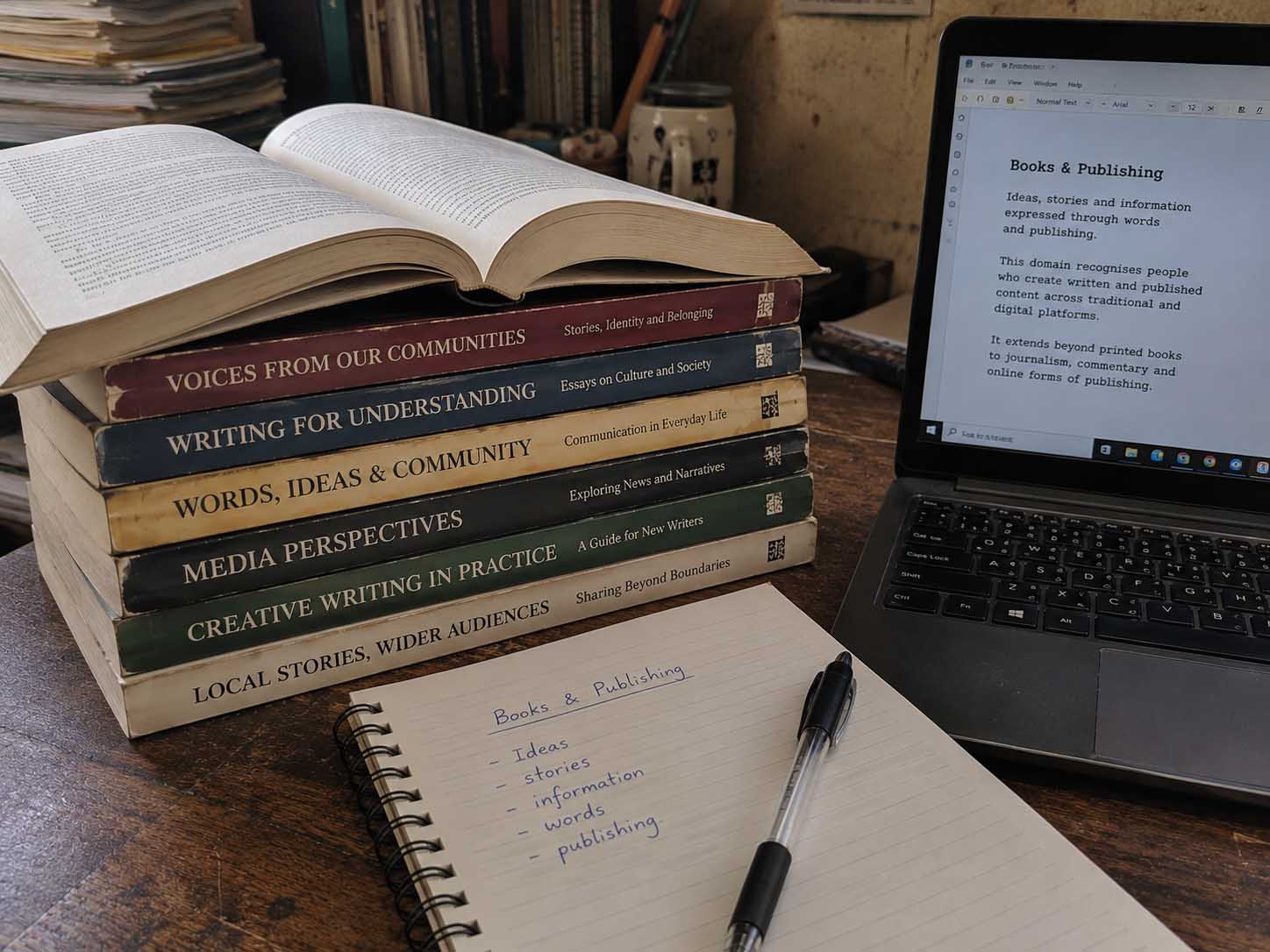
Ideas, stories and information expressed through words and publishing.
Books & Publishing brings together people who create written, illustrated and published content across traditional and digital platforms, from books and journalism to commentary, blogging and other online forms of publishing.
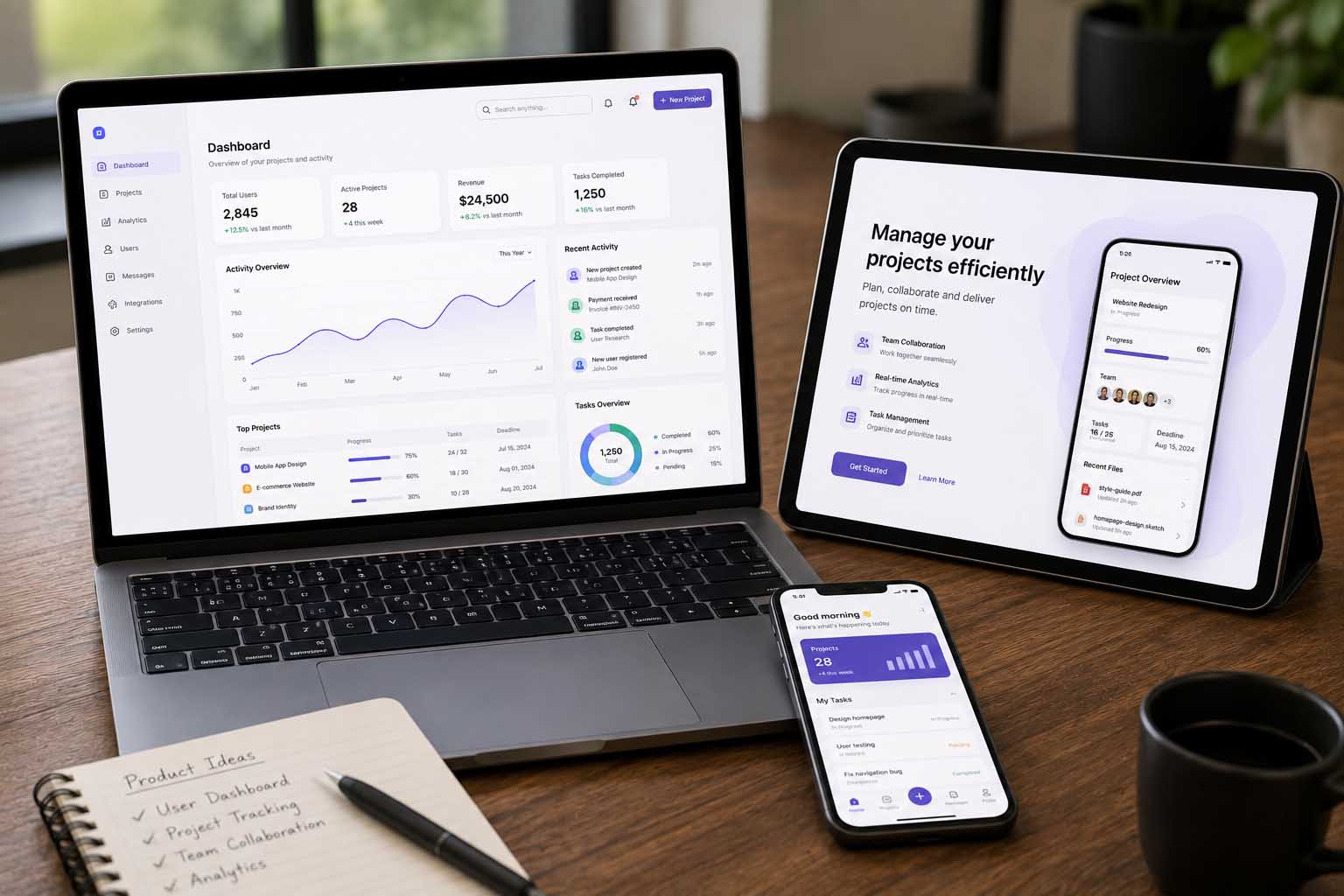
Creativity also happens through technology.
Software & Innovations brings together people who design digital products, develop applications, build games and create new technological solutions. It reflects the growing role of technology within the creative economy.
Preserving the knowledge, places and stories communities carry forward.
Cultural & National Heritage brings together the institutions, practices and people involved in preserving, presenting and sharing cultural knowledge. Across Northern Uganda, heritage is expressed through stories, songs, rituals, museums, libraries, tourism, film and other cultural forms.
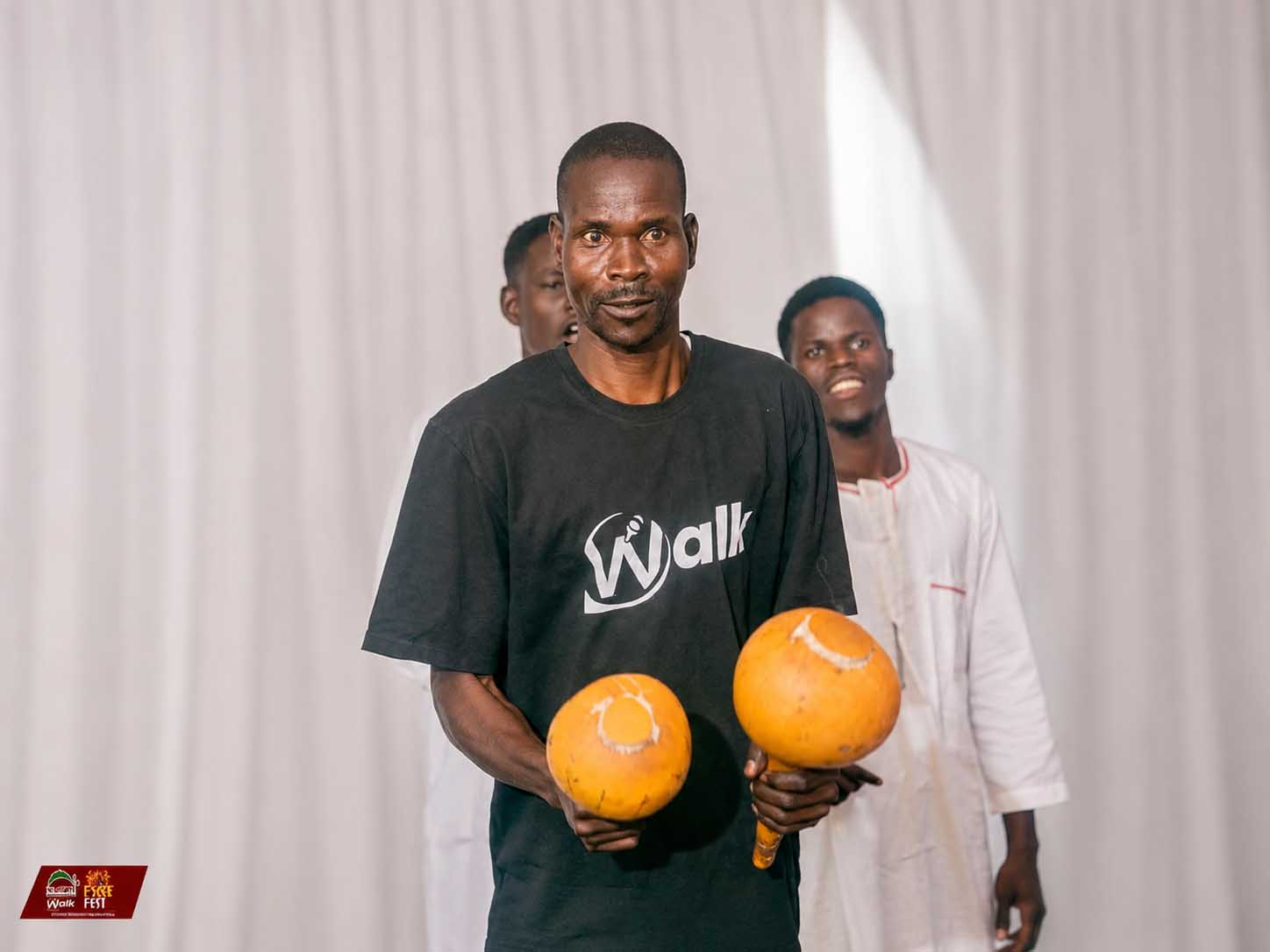
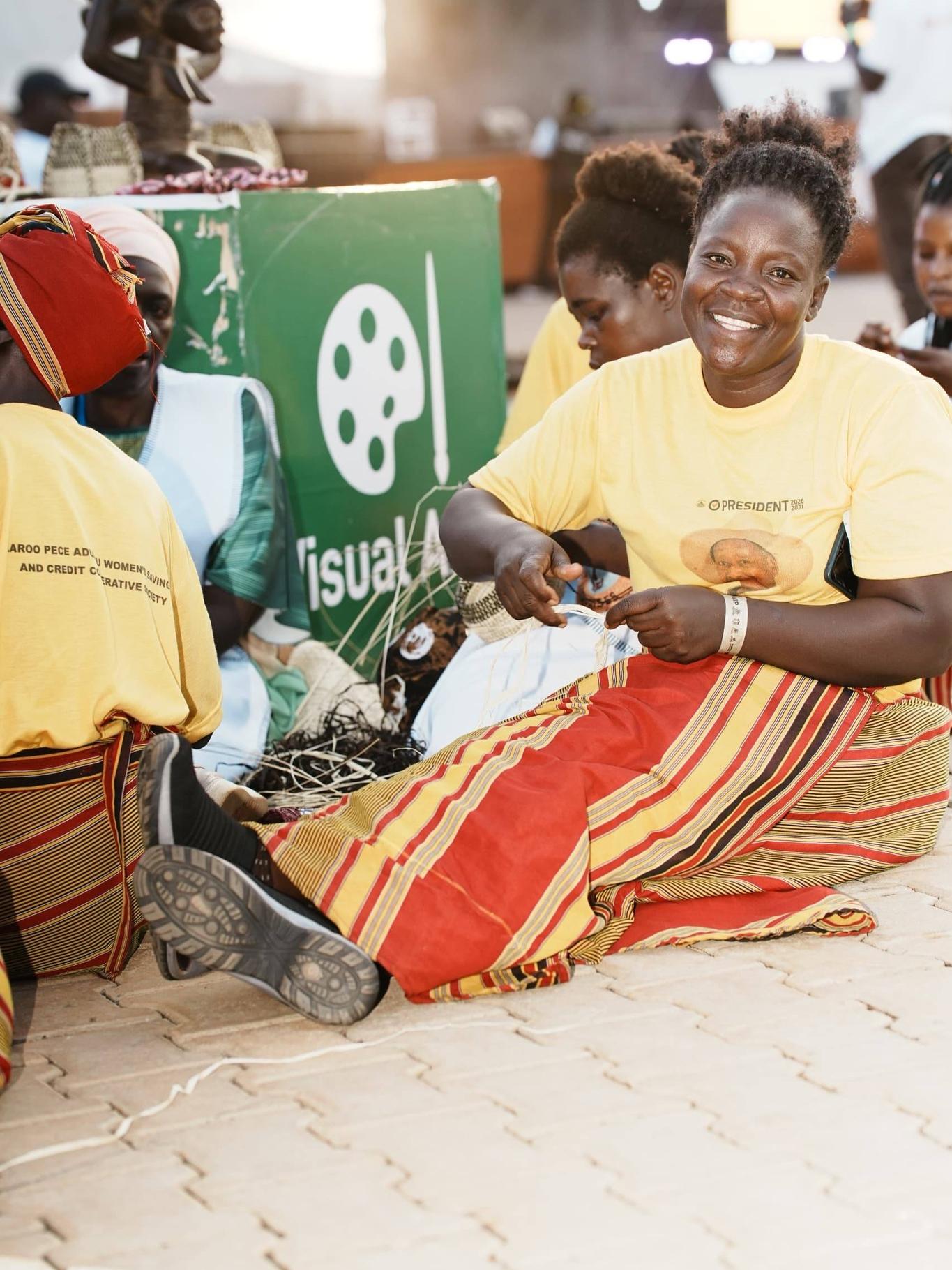
Creativity expressed through objects, images, spaces and personal style.
Visual Arts & Crafts brings together people creating physical artworks and crafts alongside professionals working in photography, fashion, graphics, design and the creative shaping of spaces.
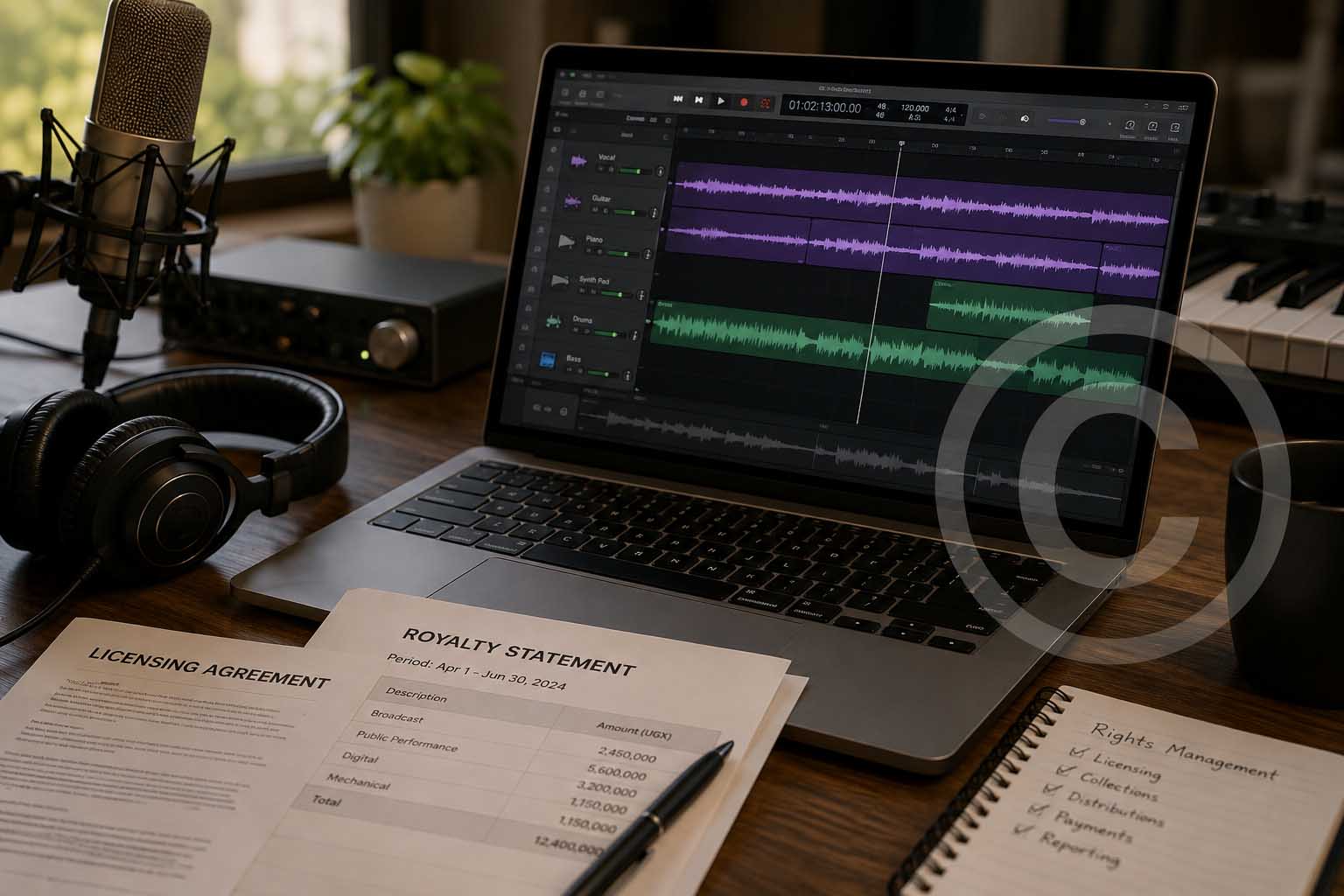
Helping creators protect and manage their rights.
Collecting societies support creators by managing copyright and related rights on their behalf. In Uganda, this includes organisations such as the Uganda Performing Rights Society (UPRS).
The nine domains should not appear as nine isolated industries.
Music can involve video production.
Film may depend on actors, costume designers, writers and visual-effects professionals.
A musician may work with a talent manager, promoter, photographer or graphic designer.
A cultural institution may work with filmmakers, writers, craftspeople and software developers.
A creative product may eventually depend on rights management.
That is why WALK brings the domains together.
The purpose of the classification is to recognise the different people contributing to creative work while creating opportunities for them to connect across disciplines.
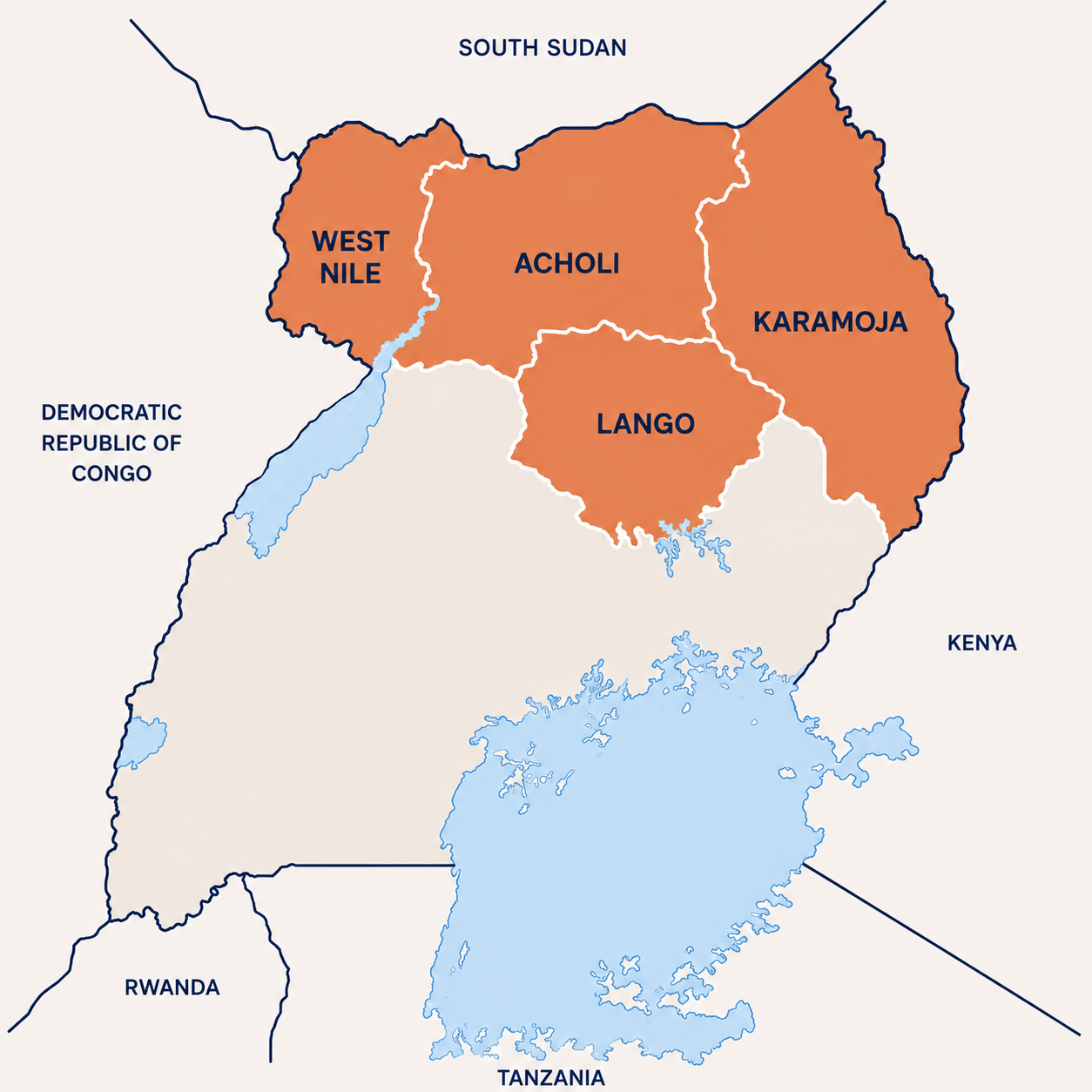
WALK uses these nine domains across its four target sub-regions.
A person's location does not determine their creative domain. A filmmaker in Karamoja and a filmmaker in West Nile belong to the same broad creative domain while working within different cultural and economic contexts.
Likewise, each region can contain musicians, performers, designers, writers, technology creators, cultural practitioners and other creative professionals.
This regional structure allows WALK to maintain a common creative-sector framework while recognising the diversity of the four sub-regions.
Your work may cross more than one domain. Creative careers do not always fit neatly into one category.
For example, someone may perform music and produce video. Another person may write while also creating digital content. Someone working in cultural heritage may also make films or produce crafts.
The domains are therefore a guide for understanding the wider creative community.
For formal applications, applicants should select the domain that best represents their main creative work.
From traditional cultural expression to software development, the creative sector is made up of people with different skills, professions and ways of working.
WALK's role is to help connect this diverse community across West Nile, Acholi, Lango and Karamoja and create practical opportunities for creative work to contribute to livelihoods and the wider development of Northern Uganda.